March 18, 2026
Trees add beauty, shade, and environmental value to any property, but there are times when they can become a safety risk. Knowing when to call a professional for tree removal is essential for protecting your home, your landscape, and the people around it. Many property owners overlook early warning signs, assuming a tree will recover or remain stable, but damaged or unhealthy trees can quickly become dangerous if ignored. Recognizing these signs early allows you to take action before a small issue becomes a serious hazard.
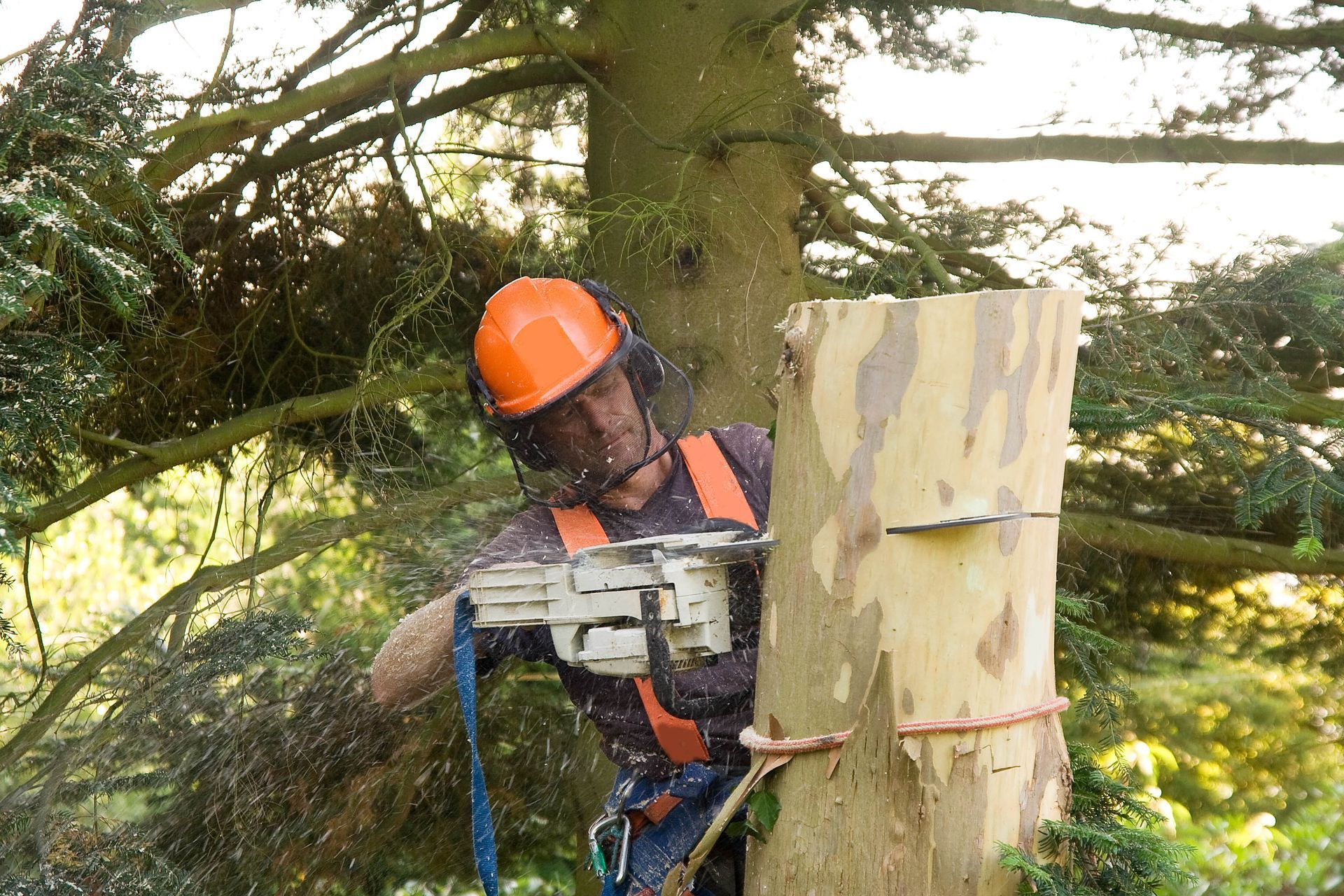
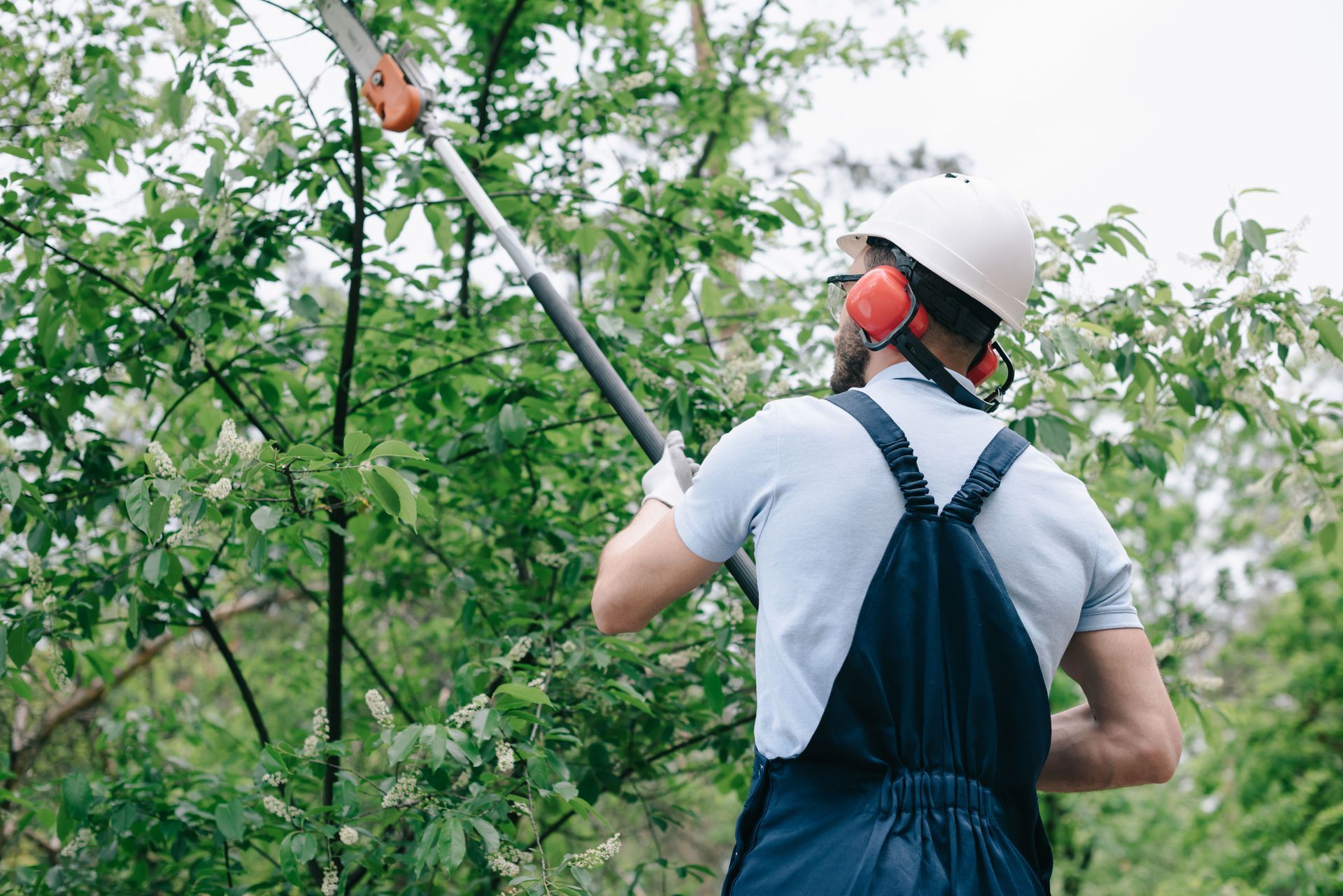
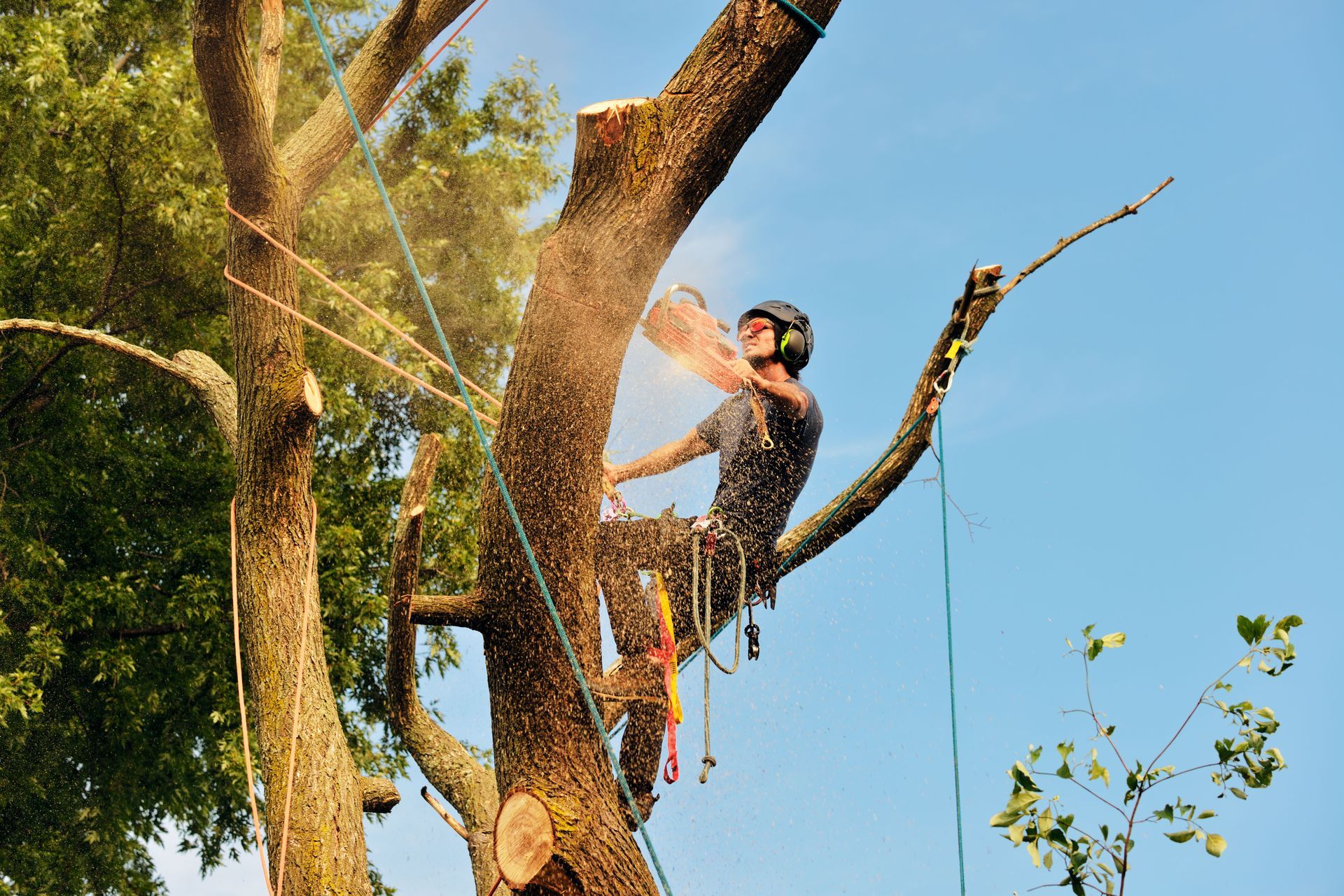
Professional tree removal services play an important role in maintaining safe and healthy landscapes. Experts have the training and equipment needed to evaluate the condition of a tree, identify potential risks, and safely remove it if necessary. They also understand how to perform tree removal without damaging nearby plants, buildings, or utility lines. In many areas, professionals also ensure that tree removal follows local regulations and environmental guidelines. By relying on trained specialists, property owners can protect both their property and the surrounding ecosystem.
Several warning signs can indicate that a tree is no longer safe to keep. Visible structural damage, declining health, pest infestations, and proximity to structures or utilities are all factors that may signal it is time to consider professional tree removal. Understanding these signs can help you make informed decisions and maintain a safer, healthier outdoor environment.
Visible Tree Damage
Fungal Growth on the Trunk or Branches
One of the most noticeable signs that a tree may be in trouble is the presence of fungal growth on its trunk or branches. Mushrooms or bracket fungi growing from the wood often indicate internal decay. While these growths may appear harmless at first, they usually signal that the tree is rotting from the inside. Internal rot weakens the structural strength of the tree, making it far more likely to lose branches or even collapse during storms or strong winds.
Fungal growth is often a symptom of deeper issues within the tree. Once decay begins, it can spread through the internal wood and significantly reduce the tree’s ability to support its own weight. In addition to weakening the tree, the decaying wood may attract insects or other pests that further damage the structure. Over time, this combination of decay and infestation can make the tree unstable and unpredictable.
A professional arborist can determine how severe the damage is and whether the tree can be treated or should be removed. In many cases, advanced internal rot makes tree removal the safest solution. Acting quickly can prevent potential damage to nearby structures and protect the rest of your landscape from additional problems.
Cracks or Splits in the Bark
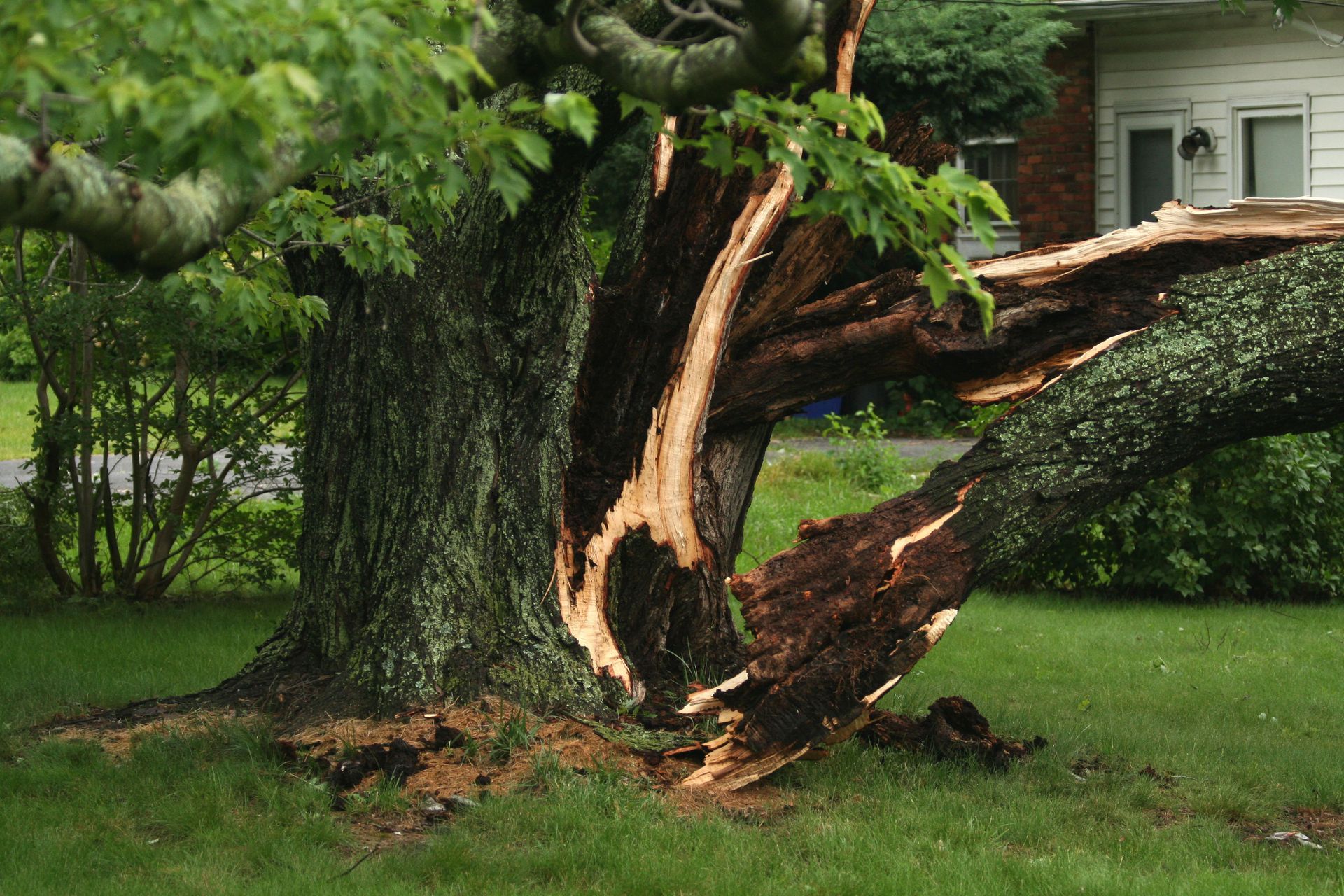
Deep cracks or splits in a tree’s bark can indicate structural weakness. Bark serves as the tree’s protective layer, shielding it from pests, disease, and environmental stress. When the bark splits open, the tree becomes vulnerable to infections and further deterioration.
These cracks can form for several reasons, including severe weather, temperature changes, pest activity, or underlying disease. While small surface cracks may not pose an immediate danger, large or deep splits often suggest that the internal structure of the tree has been compromised. Over time, these weaknesses can lead to broken branches or complete structural failure.
An experienced arborist can examine the depth and extent of the damage to determine whether the tree can be stabilized. In situations where the damage affects the core of the tree, professional tree removal may be necessary to prevent the risk of sudden collapse.
Leaning Trees
A tree that begins leaning noticeably to one side should never be ignored. While some trees naturally grow at slight angles, a sudden or increasing lean is often a warning sign of root instability. This can occur after heavy storms, soil erosion, root damage, or construction activity near the tree.
When the root system weakens or loses its grip in the soil, the tree may gradually tilt in one direction. This imbalance can make the tree vulnerable to falling during high winds or heavy rain. Even a moderate lean can indicate that the tree’s structural support system has been compromised.
Professional arborists can inspect the root system and soil conditions to determine the cause of the lean. In some cases, stabilization techniques may help correct the issue. However, when the tree poses a significant risk to nearby buildings or walkways, tree removal is often the safest course of action.
Hollow or Decayed Areas
Hollow sections or visible decay within a tree are major warning signs that should not be ignored. While some older trees can survive with small cavities, large hollow areas indicate that the internal wood has deteriorated. This reduces the tree’s ability to support its own weight and increases the likelihood of breakage.
Internal decay is not always obvious from the outside. Signs such as soft spots, openings in the trunk, loose bark, or crumbling wood can all indicate that the tree is weakening internally. As the decay spreads, the structure becomes less stable and more vulnerable to storm damage.
Arborists use specialized tools and inspection methods to determine the extent of the decay. If the damage is severe and the structural integrity of the tree is compromised, tree removal may be recommended to eliminate the hazard before it leads to property damage or injury.
Exposed Roots or Partial Uprooting
Healthy roots are essential for keeping a tree securely anchored in the ground. When roots become exposed or damaged, the stability of the tree can quickly decline. Soil erosion, landscaping activities, and construction work can sometimes expose root systems or weaken their grip on the soil.
Once the roots are compromised, the tree becomes more vulnerable to windthrow, which occurs when strong winds uproot a tree entirely. This can lead to sudden and dangerous collapses, especially during storms. Trees with visible root damage may also struggle to absorb water and nutrients properly, further weakening their health.
A professional evaluation can determine whether the tree can be stabilized or if removal is necessary. In many cases, tree removal is the most effective way to eliminate the risk and restore safety to the surrounding area. According to The Business Research Company, the tree services market size will grow to $2.86 billion in 2030 at a compound annual growth rate (CAGR) of 13.9%.
Tree Health Issues
Disease Symptoms
Tree diseases can develop gradually, often starting with subtle changes that many property owners overlook. Discolored leaves, unusual growth patterns, peeling bark, and early leaf drop can all signal that a tree is under stress from infection. These symptoms may be caused by fungi, bacteria, or viruses that weaken the tree over time.
As diseases progress, the tree’s ability to transport water and nutrients becomes impaired. This can lead to declining growth, increased vulnerability to pests, and weakened structural integrity. In some cases, diseases can spread quickly to nearby trees and plants, threatening the health of the entire landscape.
Professional arborists can identify the specific disease affecting a tree and determine whether treatment is possible. If the infection is severe or untreatable, tree removal may be necessary to protect surrounding vegetation and maintain a healthy landscape.
Over time, this lack of energy weakens the tree and makes it more susceptible to additional problems. Branches may begin to die back, and the overall structure of the tree may deteriorate.
A professional assessment can help determine the underlying cause and whether treatment is possible. If the tree continues to decline despite intervention, tree removal may be necessary to protect nearby plants and maintain safety in the landscape. For more information, contact Brothers In Trees today.