October 21, 2026
Trees bring beauty, shade, and value to any property, but there comes a time when maintaining them requires professional intervention. Whether you are dealing with a dead oak, a hazardous branch lingering over your roof, or simply trying to clear land for a new landscape project, understanding the basics of tree removal is essential for every property owner. Taking care of your yard involves making informed decisions about safety, timing, and proper methods. Safe tree removal protects your home, your family, and your surrounding landscape from unexpected damage. Knowing when and how to approach this task ensures your landscape remains healthy and visually appealing year after year.
Many property owners wonder what the process entails and how to prepare their yard before work begins. Removing a tree is not as simple as cutting down a trunk; it requires strategic planning, precise execution, and specialized equipment. By learning what goes into professional care, you can better evaluate your landscape needs and make the best decisions for your space. From identifying hazardous growth to selecting the right team for the job, having a basic foundation of knowledge makes the entire experience seamless and stress-free.
Recognizing the Key Signs Your Property Needs Tree Removal
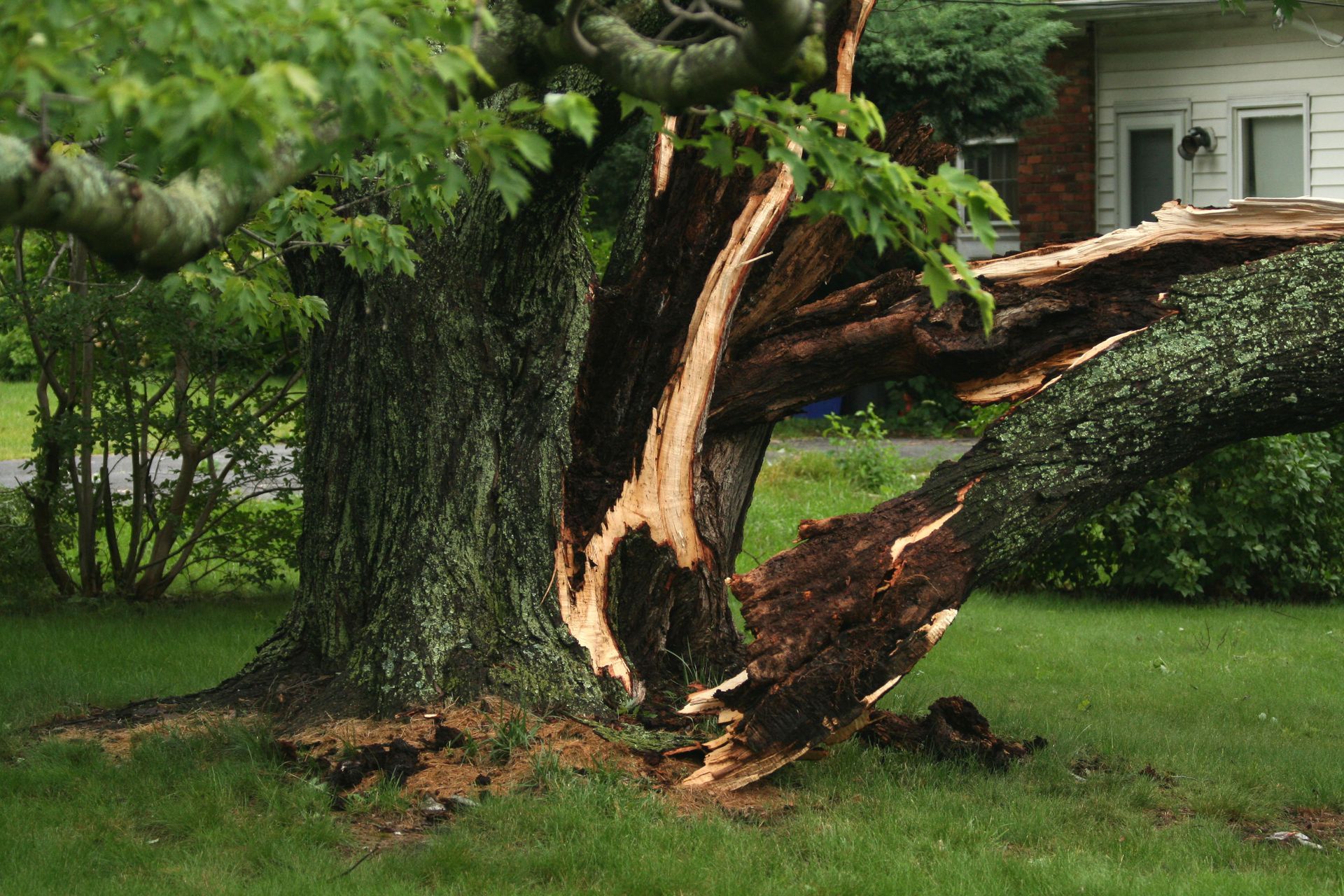
Identifying when a tree has reached the end of its lifecycle is crucial for maintaining property safety. Dead or dying growth often presents visible warning signs that should never be ignored. Look for structural weaknesses such as severe trunk decay, hollow centers, or large fungi growing near the base. Additionally, if a trunk leans precariously toward a structure or power line, immediate intervention is necessary. Professional tree removal eliminates these safety hazards before severe weather causes unexpected branch breakage or structural failure.
Another major reason to clear growth is widespread pest infestation or disease. Certain tree diseases spread rapidly across adjacent plant life, threatening the health of your entire yard. When treatments fail to restore vitality, removing the infected specimen prevents further contamination. Furthermore, root systems sometimes cause extensive underground damage to plumbing, driveways, or building foundations. Addressing these issues early prevents costly structural repairs down the road.
Understanding the Complete Steps Involved in Tree Removal
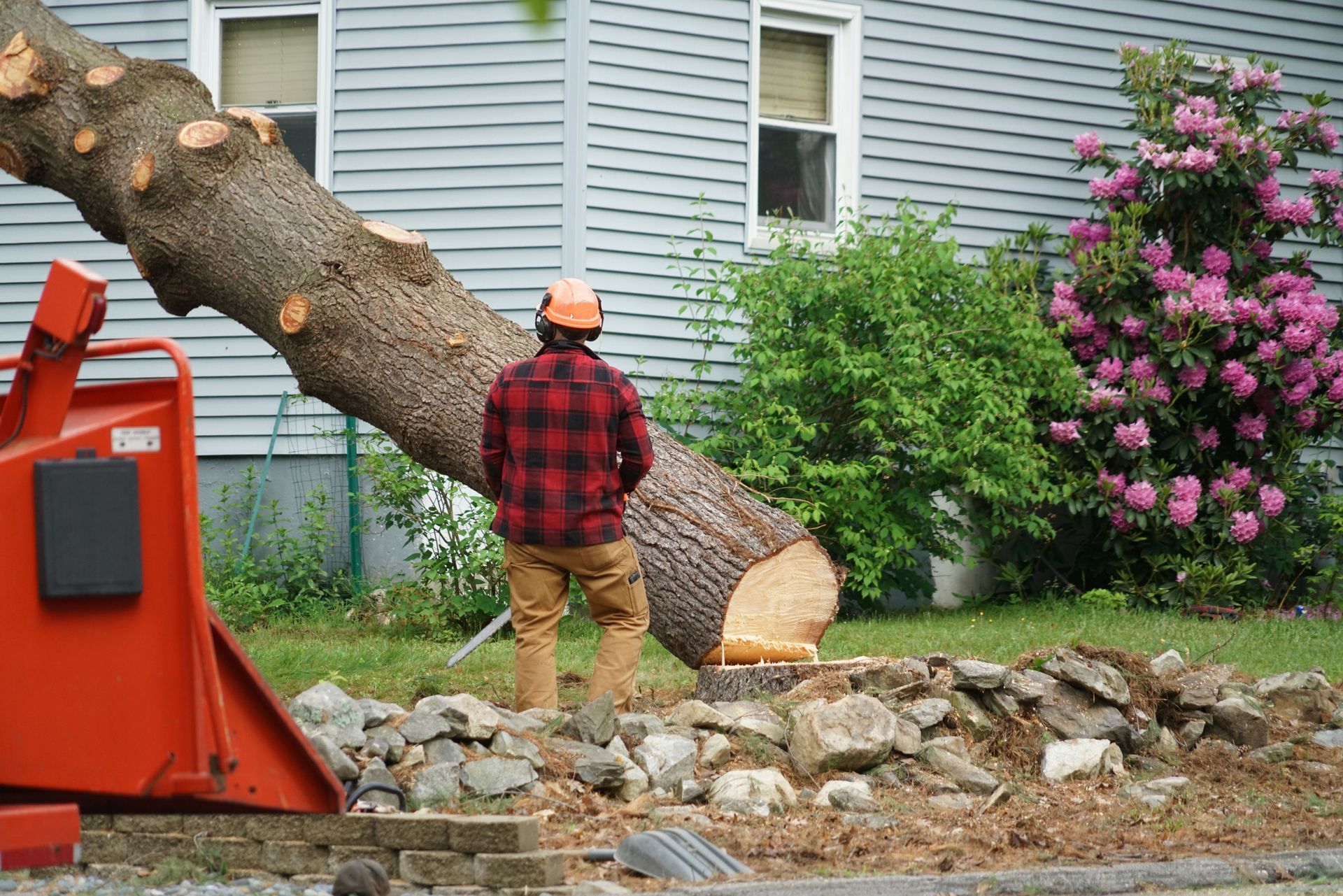
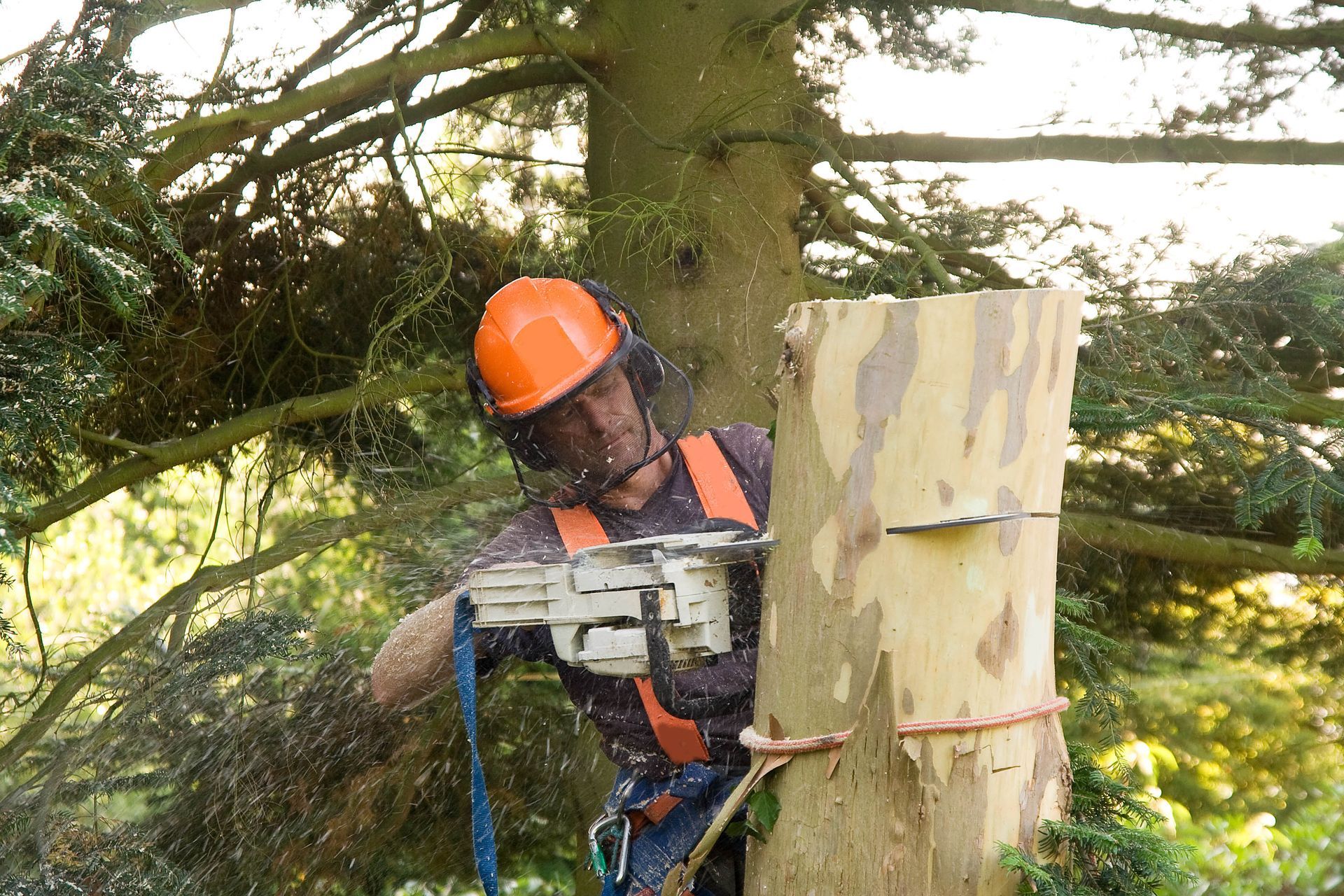
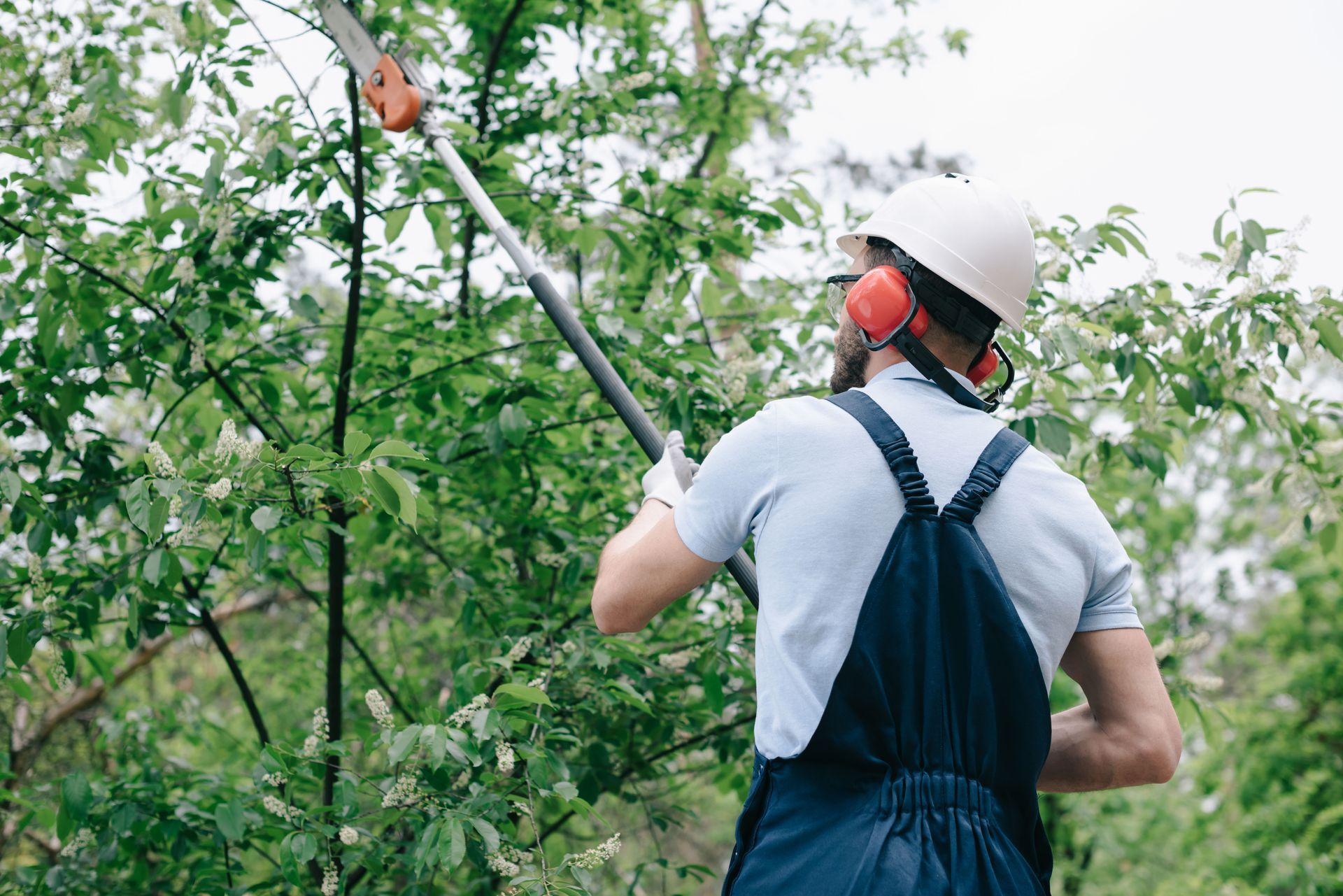
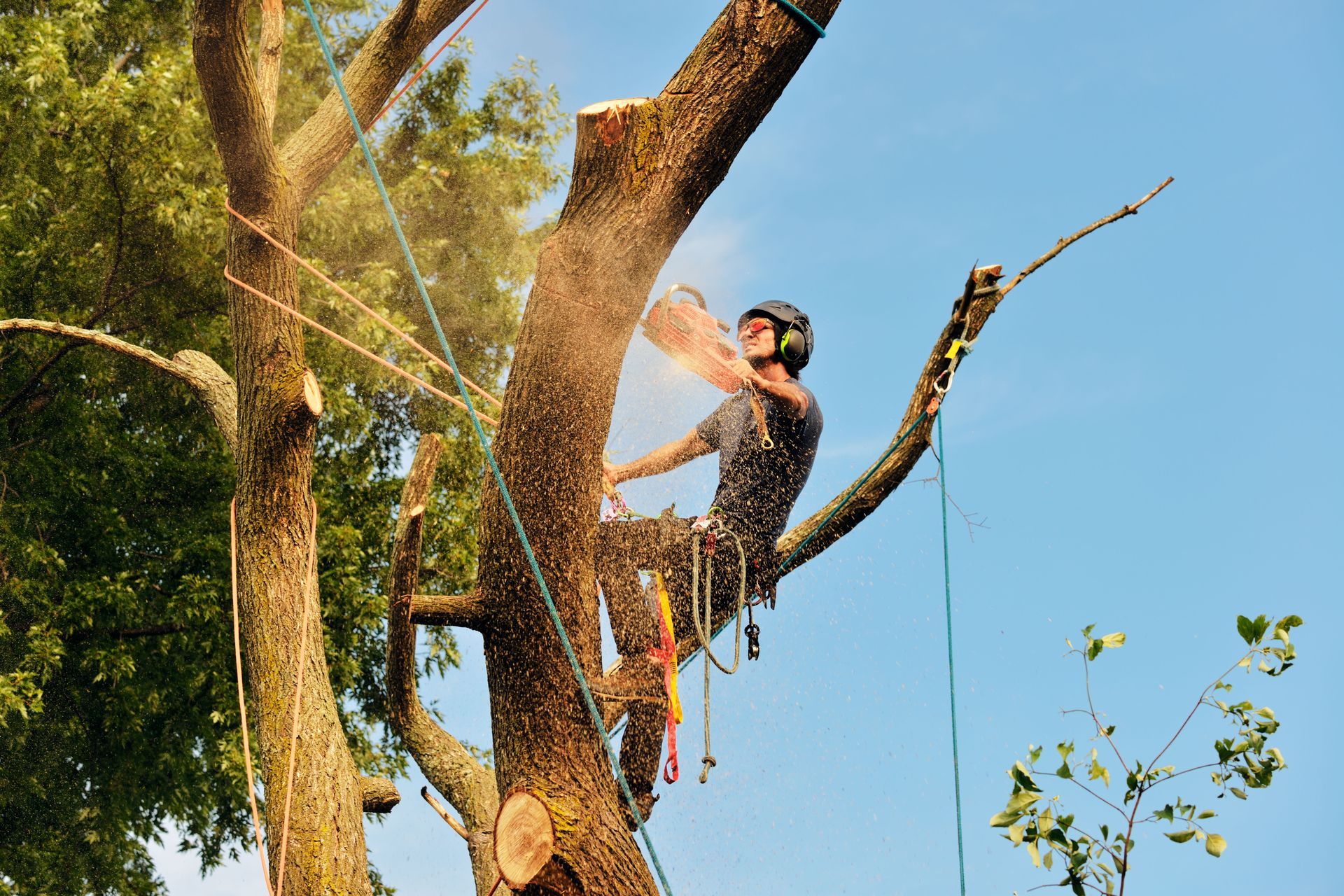
The process of clearing large growth involves several careful stages designed to maximize safety and efficiency. First, qualified specialists assess the immediate environment, taking note of nearby structures, power lines, and terrain stability. This initial evaluation dictates the precise cutting strategy and equipment required for the task. Once the area is cleared of obstacles, technicians begin dismantling the branches from the top down to control the direction of falling debris.
After lowering the major limbs using specialized rigging equipment, the main trunk is systematically cut into manageable sections. According to This Old House, depending on the size and type of tree, tree removal can take as little as 15 minutes or as long as a few hours. Once the primary structure is safely down, property owners can choose to have the remaining stump ground down or completely extracted to prepare the area for new planting or construction.
Evaluating Seasonal Timing and Environmental Factors
Timing plays a significant role in scheduling property maintenance and land clearing projects. While emergency intervention can happen at any point throughout the year, planning ahead can make the process smoother and more cost-effective. Dormant seasons, particularly late fall and winter, often provide ideal conditions for major work. Without dense foliage obscuring the structure, branch patterns and structural flaws are much easier to inspect accurately.
Working during colder months also minimizes impact on the surrounding soil and ground vegetation. Frozen or firm ground supports heavy equipment better, reducing the likelihood of lawn rutting or turf damage. Additionally, clearing dormant growth helps prevent the spread of active fungal spores or insect larvae that thrive during warmer months. Evaluating seasonal conditions ensures that your landscape undergoes major maintenance with minimal disruption to your broader environment.
Preparing Your Yard and Property Before Work Begins
Proper preparation ensures that the job site remains safe and accessible for the service crew. Start by clearing vehicles, patio furniture, garden decorations, and outdoor toys from the work area. Creating a wide, clear path allows heavy equipment to move efficiently without disturbing your lawn or hardscape. It is also wise to inform your neighbors ahead of time so they can keep pets inside and move parked cars away from the perimeter.
On the day of the appointment, keep children and pets securely indoors throughout the duration of the project. Demarcating clear boundaries keeps everyone safe while heavy machinery is operating. Taking these simple preventive steps minimizes potential delays and helps the crew complete the task smoothly and safely.
Evaluating Professional Qualifications for Safe Tree Removal
Hiring qualified experts is the most important decision you can make for your yard. Specialized yard work carries inherent risks, making expert knowledge and proper equipment absolute necessities for safety. Always verify that a company maintains valid credentials and comprehensive insurance coverage before scheduling service. Working with a fully licensed and insured team protects your property and guarantees that every procedure adheres to strict industry standards.
In addition to proper credentials, look for contractors who offer transparent communication and written proposals. Reputable experts happily provide clear details regarding project scope, safety protocols, and cleanup expectations. Getting free estimates from established professionals allows you to compare services and make a confident choice for your home.
Managing Wood Debris and Post-Removal Cleanup
After heavy cutting concludes, managing residual timber and debris becomes the primary priority. Professional crews offer several options for dealing with the resulting wood material based on your personal preferences and energy needs. Many property owners choose to have the logs processed into firewood, which can be stacked and seasoned for future use in outdoor fire pits or fireplaces.
Alternatively, smaller branches and foliage can be fed directly into wood chippers to produce fresh organic mulch. Utilizing recycled wood chips on garden beds helps retain soil moisture, suppress weeds, and regulate ground temperatures naturally. Deciding how to manage leftover organic material ensures your yard transitions smoothly from an active work zone back into a beautiful, functional outdoor area.
Selecting Sustainable Alternatives After Clearing Property Growth
Once a hazardous or unwanted specimen is cleared, you have an exciting opportunity to revitalize your landscape. Reclaiming sunlight and ground space opens up creative possibilities for new flowerbeds, turf, or hardscape features. Replacing old growth with native plant species supports local wildlife while enhancing overall curb appeal.
If you wish to plant a new sapling in the same location, allow the soil time to recover, especially if stump grinding occurred. Selecting a species suited for your local soil conditions and sunlight exposure ensures strong growth. Replacing hazardous growth with healthy young plantings keeps your outdoor environment vibrant, functional, and safe for decades to come.
Managing your property requires reliable care, clear planning, and dependable experts who put safety first. When you need expert help maintaining your outdoor space, work with our dedicated specialists serving Central Maryland. Our team at Brothers In Trees delivers high-quality results on every project. We provide top-tier tree
removal along with free estimates, and we are fully licensed and insured to protect your home. Contact us today to learn more about our services and schedule your consultation.